
Learning Together Network | Building Better Learning Together
Learning Together Network brings people together in a collaborative online environment where learning is driven by shared knowledge, meaningful discussions, and peer support. Whether developing new skills or exchanging ideas, members benefit from a connected community that encourages continuous growth and lasting learning success.
Learning Together Network Foundations And Core Concept
The idea behind a modern learning together network is simple: people learn better when they learn together. Instead of isolated courses, users participate in ongoing communities organized around topics, roles, or goals. Inside these networks, members can ask questions, share resources, and co‑create knowledge in ways that static e‑learning cannot support. Over time, the community itself becomes a living library of best practices, case studies, and real‑world solutions.
Key Principles Of Collaborative Learning Spaces
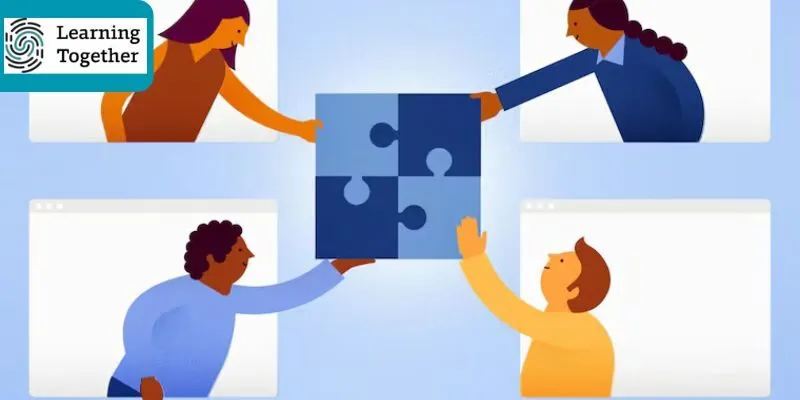
Every effective learning together network is built on a few core principles that guide design and moderation. First, participation must be easy, with intuitive navigation and low barriers to posting or joining discussions. Second, psychological safety matters: members should feel comfortable asking basic questions without fear of judgment. Third, knowledge needs to be searchable and well organized so that valuable insights are not lost.
How Social Interaction Accelerates Learning
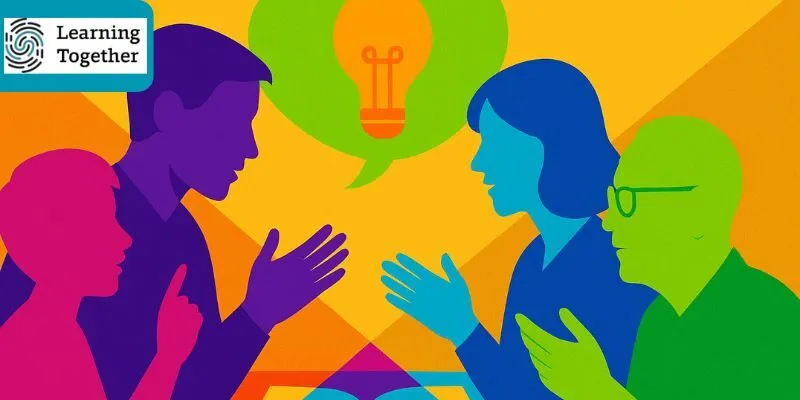
Social dynamics are the engine of a thriving learning together network. When people see peers sharing progress, wins, and challenges, they are more motivated to stay active. Short feedback cycles help correct misunderstandings quickly, while peer review raises the quality of shared resources. Discussion threads allow members to explore nuances that a pre‑recorded course might miss. Over time, informal mentorships emerge, connecting newcomers with experienced practitioners.
Types Of Communities Within The Network
A flexible learning together network usually hosts multiple community types under one umbrella. There might be topic‑based groups focused on specific skills, project‑based spaces where teams collaborate on real deliverables, and cohort‑based communities tied to structured programs. Some areas are open and exploratory, while others require application or invitation to maintain focus.
Learning Together Network Features And Architecture
A robust learning together network combines social tools with learning management capabilities. Instead of treating community and content as separate, the architecture interweaves discussions, resources, and analytics. Users can navigate from a lesson directly into a forum thread, or from a question into a curated guide. Behind the scenes, tagging systems, recommendation engines, and permissions ensure that the right people see the right information.
Core Platform Components And Tools
The backbone of any learning together network includes several essential components. Discussion boards, live chat, and event modules enable real‑time and asynchronous interaction. A content repository hosts videos, articles, templates, and checklists, all organized by tags and learning paths. User profiles showcase skills, interests, and contributions, helping members find relevant peers. Moderation dashboards empower community managers to highlight quality content and manage behavior.
Integrations With Existing Learning Ecosystems
For organizations, a learning together network rarely exists in isolation; it must connect with LMS platforms, HR systems, and productivity tools. Single sign‑on simplifies access, while API integrations synchronize course completion, badges, and performance data. Embedding community widgets inside intranets or knowledge bases brings discussions closer to daily workflows. When integrated properly, the network becomes the social layer on top of formal training, turning one‑off courses into ongoing communities of practice that reinforce behavior change.
Analytics, Data, And Continuous Improvement
Data insights are crucial for optimizing a learning together network over time. Analytics dashboards track engagement metrics such as active users, posts, replies, and time on platform. Learning‑specific data, including skill tags, completion rates, and assessment scores, reveal where members struggle or excel. Community managers can identify high‑impact contributors and emerging topics, then design new resources around them.
| Dimension | Traditional E‑Learning | Learning Together Network Model |
| Interaction style | Mostly one‑way content delivery | Two‑way, multi‑party discussions and feedback |
| Knowledge source | Primarily instructors and course authors | Instructors plus peer‑generated insights |
| Update frequency | Periodic course revisions | Continuous, community‑driven updates |
| Motivation drivers | Certificates and compliance | Social belonging, recognition, and progress |
| Scalability of support | Limited by instructor capacity | Distributed across the entire community |
Learning Together Network Benefits For Individuals And Teams
Joining a learning together network offers distinct advantages that go beyond traditional online courses. Individuals gain access to real peers who face similar challenges, while teams benefit from shared language and aligned practices. Because learning is embedded in conversation, members are more likely to apply new ideas directly to their work. This reduces the gap between theory and execution.

Advantages For Individual Learners
For individuals, participation in a learning together network can significantly accelerate skill development. Instead of waiting for formal training, members can ask targeted questions and receive practical answers from experienced peers. Exposure to diverse perspectives helps challenge assumptions and broaden thinking. Learners also build professional visibility by sharing case studies, templates, or lessons learned. These contributions often lead to new opportunities, such as speaking roles, collaborations, or referrals, making the network valuable for both learning and career growth.
Impact On Organizational Performance
When organizations sponsor a dedicated learning together network, they create a scalable mechanism for knowledge sharing and capability building. Teams can document best practices, troubleshoot issues, and disseminate updates faster than through email alone. New hires ramp up more quickly by browsing curated discussions and FAQs. Cross‑functional communities foster alignment between departments that rarely interact.
Enhancing Engagement And Retention
A vibrant learning together network can dramatically improve engagement with learning programs. Gamification elements such as points, badges, and leaderboards reward meaningful contributions, while live events create shared experiences that deepen commitment. Members who feel seen and supported are more likely to stay active, complete learning paths, and recommend the community to colleagues.
Learning Together Network best practices for implementation
Launching a successful learning together network requires more than just software; it demands thoughtful strategy and ongoing stewardship. Organizations need clear objectives, defined success metrics, and dedicated roles to guide the community. Early‑stage design decisions around structure, governance, and content shape member experience for years. By applying proven best practices, you can avoid common pitfalls such as low participation, fragmented discussions, or unclear value.

Designing Purposeful Community Structures
Structure is the skeleton of any learning together network. Start by mapping key audiences, skill domains, and business priorities, then translate them into logical spaces. Avoid creating too many groups at launch; instead, focus on a few high‑value communities where you can concentrate activity. Define clear descriptions and guidelines so members know where to post and what to expect. Over time, use engagement data to refine or merge spaces.
Roles, Moderation, And Governance
Human leadership is essential to keep a learning together network healthy and productive. Appoint community managers, subject‑matter experts, and volunteer champions who model desired behaviors. Establish a code of conduct that promotes respect, inclusion, and constructive debate. Moderators should highlight strong contributions, welcome newcomers, and gently redirect off‑topic threads. Transparent governance builds trust, making it easier to handle conflicts or sensitive topics.
Content Strategy And Engagement Tactics
A proactive content strategy keeps energy high inside a learning together network. Plan recurring formats such as weekly Q&A sessions, expert AMAs, themed challenges, and spotlight posts that feature member success stories. Curate high‑quality resources into playlists or learning paths so newcomers can quickly get up to speed. Use polls and feedback forms to discover emerging interests, then commission new guides or micro‑courses.
Learning Together Network Trends And Future Outlook
The landscape for any learning together network is evolving quickly as technology and learner expectations change. Artificial intelligence, advanced analytics, and immersive media are reshaping what collaborative learning can look like. At the same time, organizations are under pressure to reskill workforces at scale, making community‑driven models more attractive.

Ai‑powered Personalization And Support
AI is increasingly woven into the fabric of a modern learning together network. Recommendation engines suggest relevant groups, threads, and resources based on user profiles and behavior. Intelligent assistants can surface existing answers before someone posts a duplicate question, reducing clutter. Sentiment analysis helps community managers spot burnout or frustration early.
Blending Synchronous And Asynchronous Experiences
Future‑ready designs for any learning together network will balance live and on‑demand experiences. Virtual workshops, office hours, and cohort kickoffs create momentum and deepen relationships. Asynchronous forums, recordings, and resource hubs ensure that people in different time zones can still participate fully. Hybrid formats, such as live events followed by ongoing discussion threads, extend the life of each session.
Expanding Beyond Organizational Boundaries
Many organizations are exploring how a learning together network can extend to customers, partners, or industry peers. External communities support product adoption, gather user feedback, and showcase real‑world use cases. Joint spaces with partners enable co‑innovation and shared training standards. Open knowledge hubs contribute to broader ecosystems, positioning the host organization as a thought leader. As boundaries blur, governance and privacy become more complex, but the potential for impact grows significantly.
Conclusion
A well‑designed learning together network turns learning from a solitary, one‑off activity into a continuous, community‑driven journey. By combining social interaction, curated resources, and data‑informed improvement, these networks help individuals build skills faster and organizations unlock collective intelligence. Success depends on clear purpose, thoughtful structure, and active stewardship, supported by technology that makes participation seamless.